A Jaipur-based journalist has been booked under a First Information Report (FIR) following allegations that a social media post targeting the Rajasthan Chief Secretary contained defamatory and objectionable remarks, an incident that has triggered renewed discussion on the use of criminal law in cases involving journalistic expression and online commentary.
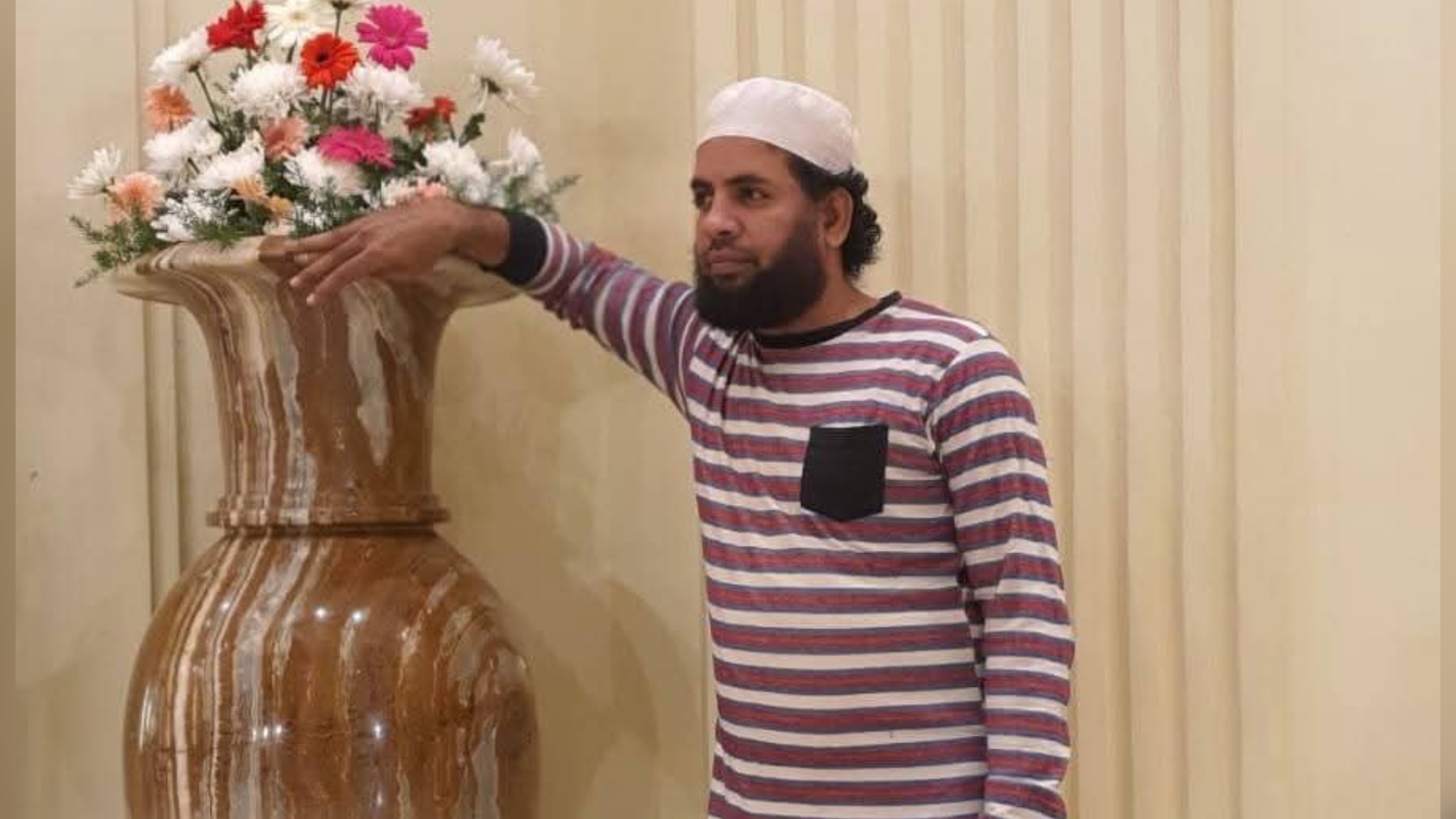
According to official reports, the FIR was registered after a Facebook post dated April 26, allegedly published by freelance journalist Mahesh Jhalani, came to the attention of authorities. The complaint claims the post included content that was deemed offensive toward senior administrative officials and the state government, prompting police action under multiple legal provisions, including sections of the Bharatiya Nyaya Sanhita and the Information Technology Act.
Investigators reportedly allege that the post questioned the functioning and conduct of the state administration, including critical remarks about the Chief Secretary’s administrative approach. Authorities argue that the content could harm the reputation of public officials and potentially disrupt public order, forming the basis for the legal complaint.
Media rights observers and journalist groups have expressed concern over the FIR, stating that invoking criminal charges for critical commentary risks setting a restrictive precedent for press freedom and digital expression. They argue that journalists and independent commentators should be allowed to scrutinize public officials without fear of prosecution, particularly when discussing governance and administrative accountability.
The case has also contributed to broader debates in India regarding the increasing use of defamation, cybercrime, and public order provisions against journalists and social media users. Legal experts note that such cases often raise questions about the balance between protecting institutional reputation and safeguarding constitutional rights to free expression.
At the same time, authorities maintain that action is taken only when content is deemed to cross legal thresholds, particularly where allegations involve misleading or harmful statements about public institutions.
The FIR remains under investigation, with further legal proceedings expected as authorities assess the content of the post and determine whether it meets the criteria for criminal liability. The case continues to draw attention as part of a wider regional pattern involving legal action against journalists for online reporting and commentary.
Reference –
https://www.thehindu.com/news/national/rajasthan/fir-against-jaipur-journalist-for-social-media-post-targeting-rajasthan-chief-secretary/article70961900.ece
https://www.ptinews.com/story/national/fir-against-jaipur-journalist-for-social-media-post-targeting-rajasthan-chief-secretary/3650918
https://www.devdiscourse.com/article/law-order/3902876-fir-against-jaipur-journalist-for-social-media-post-targeting-rajasthan-chief-secretary?amp